
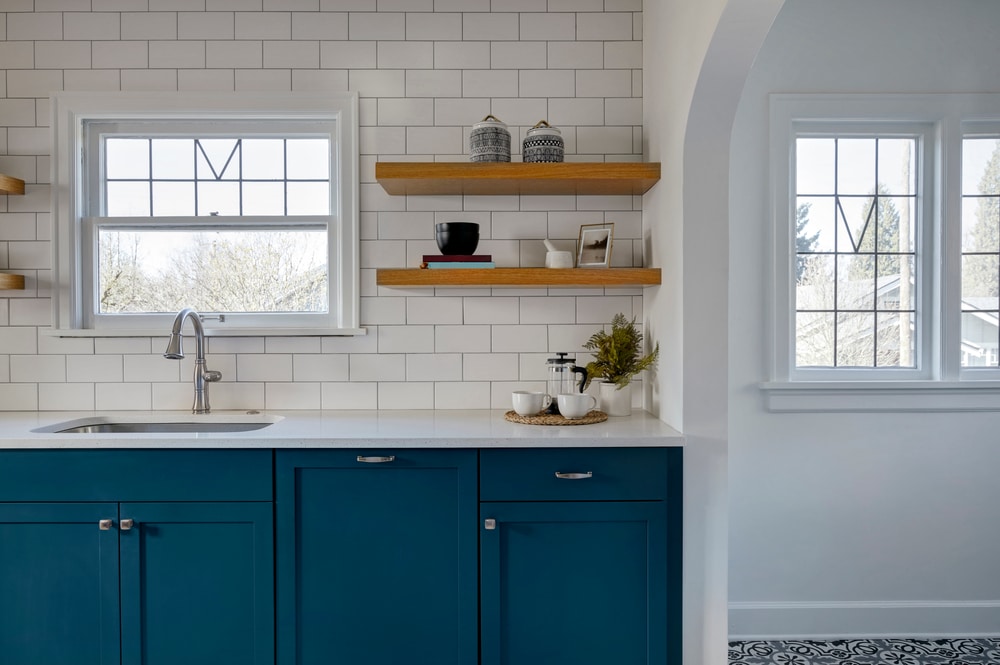
Tile Paint Colors: How to Match Your Walls
Choosing the right paint color to complement your tiles can truly transform your home’s aesthetic, creating a harmonious and inviting living space. At Paint Denver, our professional painters bring a wealth of experience and insight into this delicate art, and we’re here to share our top tips to help you find the perfect tile paint colors for your home.
Why is it Important to Match Tile Paint Colors with Your Walls?
The relationship between your tiles and your wall color is crucial for achieving a cohesive and polished look. When these elements work together, they create a sense of flow and balance, making your space feel larger and more intentionally designed. A mismatch, on the other hand, can lead to a disjointed or even jarring appearance.
The Challenges When It Comes to Choosing Tile Paint Colors
While the idea of perfectly matching your tiles and paint seems straightforward, several factors can make it a bit challenging:
- Undertones: Tiles often have subtle undertones (warm, cool, neutral) that might not be immediately obvious but significantly impact how paint colors appear next to them.
- Lighting: Natural and artificial light can drastically alter how colors are perceived throughout the day.
- Existing Elements: Your furniture, decor, and even the natural light from windows will all influence how paint colors look in your unique space.
5 Tips on Tile Color Matching
Don’t fret! Our professionals have refined their approach to tile color matching over years of experience. Here are their top tips to guide you:
1. Begin with Your Tiles
Our professional painters emphasize the importance of starting with your tiles when selecting paint colors. The material, pattern, and color of your tiles serve as the foundation for your entire color palette. Consider the undertones and overall vibe of your tiles to guide your paint color choices.
Tip: Take a close look at the undertones in your tiles – whether warm or cool – and use this as a starting point for selecting complementary paint colors. For example, if your tiles have warm, earthy tones, consider paints with similar warm undertones. If they lean cool with grays or blues, explore cooler paint shades.
2. Embrace the Color Wheel
Understanding the color wheel is a fundamental skill for professional painters. They recommend using it to identify color relationships and harmonies.
- Complementary colors (opposites on the color wheel) can create a striking contrast, perfect for adding a pop of excitement.
- Analogous colors (next to each other on the wheel) provide a more subtle and cohesive look, ideal for a serene atmosphere.
- Monochromatic schemes (different shades and tints of the same color) offer a sophisticated and harmonious feel.
Tip: Experiment with different color schemes from the color wheel to find the combination that resonates with your personal style and enhances your tiles. For inspiration on current trends, you might want to check out the 2025 Pantone Color of the Year.
3. Lighting Matters
Professional painters stress the significance of natural light in color perception. The same paint color can appear vastly different in various lighting conditions.
- North-facing rooms often have cooler, more subdued light.
- South-facing rooms receive brighter, warmer light.
- East-facing rooms get warm morning light.
- West-facing rooms enjoy warm afternoon light.
Consider the amount and direction of natural light in your space, and test paint samples at different times of the day to ensure your chosen colors look perfect in all lighting scenarios.
4. The Power of Samples: Test Before You Commit
Before committing to a full paint job, professional painters strongly recommend testing paint samples on your walls. The interaction between your tiles, furniture, and lighting can profoundly influence how the paint color appears in your specific environment.
Tip: Purchase small quantities of your top paint color choices, apply them to a discreet section of your wall (next to your tiles is ideal!), and observe the colors in the context of your room over a few days and at different times of day. This is a crucial step whether you’re painting walls or even considering a project like a DIY Guide to Cabinet Painting.
5. Consider Your Grout Color
Often overlooked, the color of your grout can also play a role in your overall color scheme. If your grout is a prominent feature, consider how its color interacts with both your tiles and your potential paint colors. Sometimes, a subtle nod to the grout color in your paint choice can create an even more unified look.
Why Choose a Professional Painting Company to Help You Tile and Paint Your Home?
While these tips provide a great starting point, the nuances of tile color matching can be complex. Professional painters bring an expert eye, understanding how light, undertones, and existing decor all interact. We have the experience to:
- Identify subtle undertones in your tiles that you might miss.
- Suggest color combinations that you hadn’t considered.
- Ensure precise application for a flawless finish.
- Save you time, money, and frustration by avoiding costly mistakes.
We’re Here for You
With these tips from Paint Denver’s professional painters, you’re well-equipped to embark on your journey to find the perfect tile paint colors for your home. Remember to trust your instincts, have fun experimenting with different color combinations, and enjoy the process of transforming your living space into a work of art. Happy painting!
Ready to take the guesswork out of matching your tile and paint colors? Contact Paint Denver today for a consultation with our experienced professionals.
